The Stanford emergency department study
A randomised controlled trial followed 49 physicians and nurses working three consecutive 12-hour night shifts. The nap group was given a 40-minute nap opportunity at 3 am. 90% of them fell asleep, for an average of 24.8 minutes.[1]
At 7.30 am, the nap group had fewer attention lapses, more vigour and less fatigue and sleepiness than the control group. Right after waking, at 4 am, they scored worse on a memory test.[1] That is the effect of sleep inertia, which is why the researchers recommended building wake-up time into the nap period.
What the meta-analysis says
A systematic review published in the journal Sleep in 2020 pooled 18 studies with 494 participants, six of them in real workplaces. Napping on a night shift improved cognitive performance compared with not napping. Only memory dipped immediately after waking; overall performance did not.[2]
Takeaway for employers
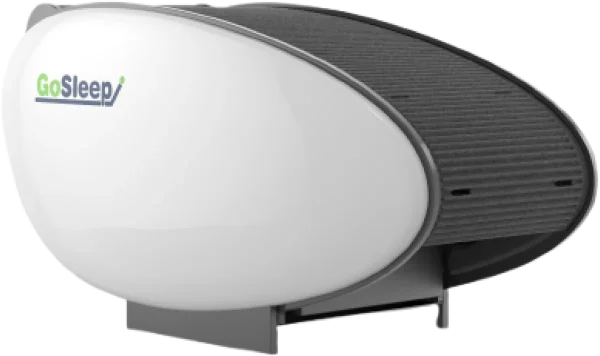
A nap works when it has a place and a time. Plan a few minutes after waking before any critical task. A quiet private pod right in the department makes the break possible without building a separate rest room.
Sources
- Smith-Coggins R, Howard SK, Mac DT et al. Improving alertness and performance in emergency department physicians and nurses: the use of planned naps. Annals of Emergency Medicine. 2006;48(5):596–604. doi.org/10.1016/j.annemergmed.2006.02.005 (opens in a new window)
- Dutheil F, Bessonnat B, Pereira B et al. Napping and cognitive performance during night shifts: a systematic review and meta-analysis. Sleep. 2020;43(12):zsaa109. doi.org/10.1093/sleep/zsaa109 (opens in a new window)